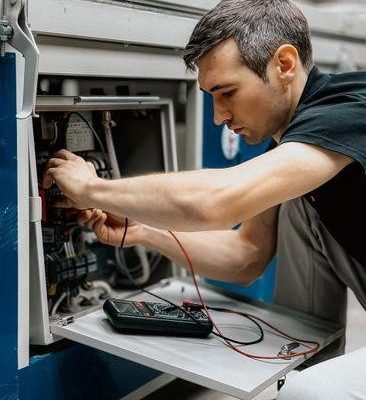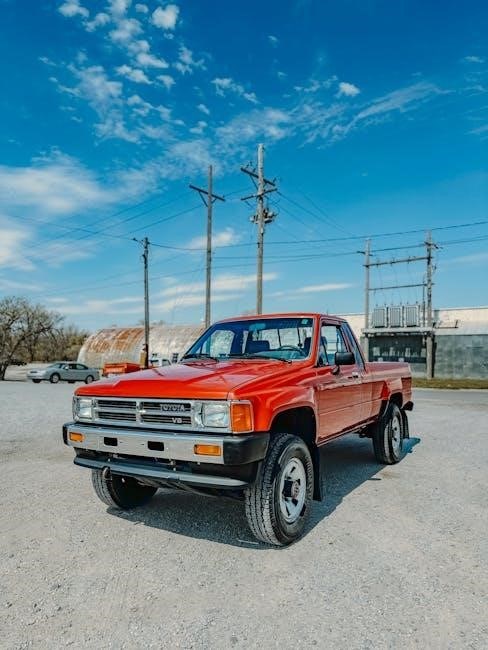
Maintaining your 2022 Toyota Tacoma’s longevity and performance requires adherence to a scheduled maintenance plan, ensuring reliability and preserving its resale value.
Importance of Regular Maintenance
Consistent maintenance is crucial for your 2022 Toyota Tacoma, safeguarding its renowned reliability and extending its lifespan. Preventative care, as highlighted by Yokem Toyota, preserves warranty coverage and protects vital components like the transmission and suspension. Following Toyota’s recommended schedules, detailed in your owner’s manual, ensures optimal performance and safety. Regular checks, including those for Toyota Safety Sense, prevent costly repairs down the road. Ignoring maintenance can diminish resale value and potentially lead to unexpected breakdowns, impacting your driving experience and budget;
Where to Find Your Specific Schedule (Owner’s Manual)
Your 2022 Toyota Tacoma’s precise maintenance schedule is readily available within the vehicle’s owner’s manual. Both Yokem Toyota and Lone Star Toyota of Lewisville emphasize consulting this resource for tailored guidance based on your Tacoma’s year and package. While general schedules exist, individual needs vary with driving conditions and usage. The manual details intervals for oil changes, fluid checks, filter replacements, and inspections. Always prioritize the manufacturer’s recommendations for optimal vehicle health and to maintain warranty validity.
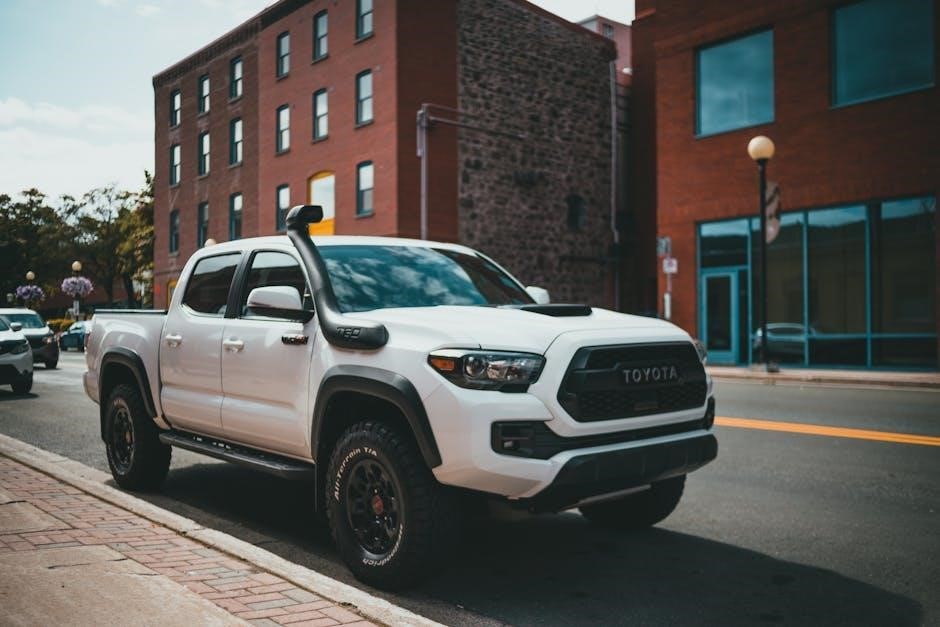
First 25,000 Miles / 2 Years ⎻ Complimentary Maintenance
Toyota provides complimentary maintenance for the first two years or 25,000 miles, covering essential services to keep your 2022 Tacoma running smoothly.
Toyota’s Free Maintenance Coverage
Toyota enhances ownership with a valuable complimentary maintenance program for the 2022 Tacoma. This coverage extends for the first two years or up to 25,000 miles, whichever comes first. It’s designed to proactively address initial service needs, ensuring optimal performance and upholding warranty stipulations. This initial phase typically includes routine inspections, fluid top-offs, and essential filter replacements, providing peace of mind and a solid foundation for long-term reliability. Consult your Toyota dealer for specific details regarding coverage limitations and eligible services.
First Service (5,000 Miles) ⎻ What’s Included
The initial 5,000-mile service for your 2022 Tacoma focuses on foundational checks and preventative measures. Expect a comprehensive multi-point inspection covering vital components like brakes, fluids, and tires. This service typically includes an oil and filter change, ensuring optimal engine lubrication. Technicians will also inspect and adjust fluid levels, check tire pressure, and examine belts and hoses for wear. Furthermore, a visual inspection of the chassis and undercarriage is standard, contributing to early detection of potential issues.
Second Service (10,000 Miles) ⎼ What’s Included
At the 10,000-mile mark, your Tacoma’s service expands upon the initial checkup. Alongside the standard oil and filter change, expect a more detailed inspection of the brake system, including pad thickness and rotor condition. Fluid levels are again checked and topped off as needed. Technicians will also inspect the cooling system, exhaust system, and suspension components. Tire rotation is performed to promote even wear, and a visual inspection for leaks or damage is conducted, ensuring continued optimal performance and reliability.
Oil and Filter Changes
Regular oil and filter changes are crucial for your Tacoma’s engine health, with recommendations varying between 3,000 and 7,000 miles depending on driving conditions.
Recommended Oil Change Intervals (3,000 ⎼ 7,000 Miles)
Determining the ideal oil change interval for your 2022 Toyota Tacoma hinges on your driving habits. Normal conditions typically allow for intervals up to 7,000 miles. However, “severe” driving – encompassing towing, off-roading, or frequent short trips – necessitates more frequent changes, ideally around 3,000 to 5,000 miles. Consistent oil changes safeguard engine components, maintain optimal lubrication, and contribute significantly to the Tacoma’s renowned reliability. Always consult your owner’s manual for precise guidance tailored to your specific usage.
Oil Type Specifications for the 2022 Tacoma
The 2022 Toyota Tacoma generally recommends using SAE 0W-20 synthetic oil, meeting API SN or ILSAC GF-5 standards. This specification ensures optimal engine performance and protection across various temperatures. While 0W-20 is preferred, consult your owner’s manual for confirmation, as slight variations may exist based on engine type. Using the correct oil viscosity is crucial for maintaining fuel efficiency and preventing premature engine wear, contributing to the Tacoma’s long-term durability.
DIY vs. Professional Oil Changes
Performing oil changes yourself can save money, but requires tools, knowledge, and proper disposal methods for used oil. Professional oil changes offer convenience and expertise, ensuring correct oil type and filter usage, plus a vehicle inspection. While DIY is feasible for mechanically inclined owners, professional services guarantee the job is done right, potentially identifying other maintenance needs. Consider your skill level and time constraints when deciding between these options for your 2022 Tacoma.
Essential Fluid Checks and Replacements
Regularly inspecting and replacing fluids—coolant, brake fluid, transmission fluid, and power steering fluid—is crucial for optimal performance and preventing costly repairs.
Coolant Inspection and Replacement
Maintaining the correct coolant level and condition is vital for regulating your Tacoma’s engine temperature, preventing overheating, and protecting against corrosion. Toyota recommends inspecting the coolant regularly for leaks or discoloration. The initial coolant replacement is typically scheduled around 60,000 miles, but this can vary based on driving conditions.
Severe duty, like frequent towing or off-roading, may necessitate more frequent coolant flushes. Using the correct Toyota-specified coolant is essential to avoid damaging the cooling system components. Consult your owner’s manual for specific recommendations regarding coolant type and replacement intervals.
Brake Fluid Inspection and Replacement
Brake fluid is crucial for the safe and effective operation of your Tacoma’s braking system. Over time, brake fluid absorbs moisture, reducing its boiling point and potentially leading to brake failure. Toyota recommends inspecting the brake fluid level and condition regularly, and a complete flush and replacement is typically advised around 60,000 miles.
Severe driving conditions, such as frequent towing or mountainous terrain, can accelerate brake fluid degradation, requiring more frequent service. Using the correct DOT 3 brake fluid specified by Toyota is essential for optimal performance and safety.
Transmission Fluid Inspection and Replacement
Maintaining the correct transmission fluid level and condition is vital for smooth shifting and preventing costly repairs. Toyota recommends inspecting the transmission fluid for leaks and proper level during routine services. A full transmission fluid exchange is generally recommended around 60,000 miles, or sooner if subjected to severe driving conditions like frequent towing.
Using the correct Toyota-specified transmission fluid is crucial; using an incorrect fluid can cause significant damage. Regular inspection helps ensure optimal transmission performance and longevity.
Power Steering Fluid Inspection
Regularly inspecting the power steering fluid is essential for maintaining effortless steering and preventing pump damage. Check the fluid level and condition during each oil change, looking for any leaks or discoloration. Low fluid levels can cause a whining noise and make steering difficult.
Toyota recommends flushing and replacing the power steering fluid every 60,000 miles, or as needed based on driving conditions. Using the correct fluid type, as specified in your owner’s manual, is critical for optimal system performance.
Tire Maintenance
Proper tire care—rotation, pressure checks, and tread inspections—maximizes safety, fuel efficiency, and extends tire lifespan for your 2022 Toyota Tacoma.
Tire Rotation Schedule
Maintaining even tire wear is crucial for optimal performance and longevity. Toyota recommends rotating your 2022 Tacoma’s tires every 5,000 miles, coinciding with oil changes for convenience. This practice helps distribute wear across all tires, preventing premature failure and ensuring consistent handling.
Rotation patterns may vary depending on whether your Tacoma is equipped with directional tires or not; consult your owner’s manual for the specific recommended pattern. Regular rotation contributes to a smoother ride and enhanced safety.
Tire Pressure Monitoring System (TPMS) Checks
The 2022 Toyota Tacoma features a Tire Pressure Monitoring System (TPMS) designed to alert you to low tire pressure, enhancing safety and fuel efficiency. This system should be checked periodically, ideally during each oil change or tire rotation – roughly every 5,000 miles.
Ensure the system is properly calibrated and that all sensors are functioning correctly. Proper tire inflation, as indicated on the doorjamb sticker, is vital for TPMS accuracy and optimal vehicle performance.
Tire Tread Depth Inspection
Regularly inspecting your 2022 Toyota Tacoma’s tire tread depth is crucial for maintaining optimal grip and safe driving conditions. A minimum tread depth of 2/32 of an inch is legally required, but it’s recommended to replace tires before reaching this limit.
Use a tread depth gauge or the “penny test” to assess wear. Worn tires significantly reduce traction, especially in wet or snowy conditions, increasing stopping distances and the risk of accidents. Check tread depth every oil change.

Brake System Maintenance
Consistent brake inspections are vital for safety; check pads, rotors, and lines regularly to ensure optimal stopping power and reliable performance.
Brake Pad Inspection and Replacement
Regularly inspecting your 2022 Toyota Tacoma’s brake pads is crucial for safe operation. Look for sufficient pad thickness – if they’re worn close to the wear indicators, replacement is necessary. Ignoring worn pads can damage rotors, increasing repair costs. Replacement intervals vary based on driving habits; severe duty requires more frequent checks. Expect to replace brake pads anywhere from 25,000 to 70,000 miles, but always prioritize visual inspection and professional assessment. Don’t compromise on brake safety!
Brake Rotor Inspection
Alongside brake pad inspection, rotors require careful evaluation. Look for scoring, cracks, or excessive rust. Rotors should be smooth to the touch; roughness indicates wear. “Turning” (resurfacing) rotors is possible for minor imperfections, but severely damaged rotors necessitate replacement. Ignoring rotor issues compromises braking performance and can lead to pad failure. Routine inspection during brake pad service is vital. Expect rotor replacement around 75,000 to 150,000 miles, depending on driving conditions and maintenance practices. Prioritize rotor health for optimal safety.
Brake Line Inspection
Critical to brake system safety, brake lines must be inspected for leaks, corrosion, and damage. Rubber lines can deteriorate over time, leading to fluid loss and brake failure. Metal lines are susceptible to rust, particularly in regions with road salt exposure. Carefully examine all lines connecting the master cylinder to the calipers. Any sign of compromise requires immediate attention and potential replacement. Regular inspection, ideally during brake pad/rotor service, is paramount. Don’t overlook this vital safety check; compromised brake lines pose a serious risk.

Filters ⎼ Air and Cabin
Regular replacement of both the engine air filter and cabin air filter is crucial for optimal performance and air quality within the Tacoma.
Engine Air Filter Replacement
The engine air filter prevents dust and debris from entering your Tacoma’s engine, safeguarding crucial components and maintaining efficient combustion. Toyota recommends inspecting this filter regularly and replacing it as needed, typically every 30,000 to 60,000 miles under normal driving conditions. However, frequent driving in dusty or off-road environments necessitates more frequent checks and replacements – potentially every 15,000 to 30,000 miles. A clogged air filter reduces engine performance and fuel economy, so proactive maintenance is key.
Cabin Air Filter Replacement
Your 2022 Toyota Tacoma’s cabin air filter cleans the air entering the vehicle’s interior, providing a more comfortable and healthier environment for you and your passengers. Replacement is typically recommended every 30,000 miles, or approximately every two years, under normal driving conditions. If you frequently drive in areas with high pollen counts, dust, or pollution, consider replacing the cabin air filter more often – perhaps every 15,000 to 20,000 miles. A clean filter ensures optimal airflow and air quality.

Inspections & Adjustments
Regular inspections of suspension, steering, and Toyota Safety Sense systems are crucial for safe operation and optimal performance of your Tacoma.
Suspension Component Inspection
A thorough inspection of the Tacoma’s suspension is vital for ride quality and handling. Technicians will carefully examine shocks, struts, ball joints, tie rod ends, and bushings for wear, damage, or leaks. Checking for any unusual noises, like clunking or squeaking, is also part of the process. Proper suspension function ensures stability, especially when towing or navigating challenging terrain. Addressing issues promptly prevents further damage and maintains safe driving conditions, contributing to the vehicle’s overall longevity and performance.
Steering System Inspection
Regular inspection of the steering system is crucial for safe and responsive handling. Technicians will assess the power steering fluid level and condition, checking for leaks or contamination. They’ll also inspect steering linkage, including tie rod ends and the steering rack, for wear and play. Ensuring proper alignment is also key, as misalignment can cause uneven tire wear and handling issues. A well-maintained steering system guarantees precise control and a comfortable driving experience, enhancing overall vehicle safety.
Toyota Safety Sense System Checks
The Tacoma’s Toyota Safety Sense suite requires periodic checks to ensure optimal functionality. Technicians will verify the proper operation of features like Pre-Collision System with Pedestrian Detection, Lane Departure Alert, and Dynamic Radar Cruise Control. Camera calibration is essential for accurate performance, and diagnostic scans identify any system errors. Maintaining these advanced safety technologies is paramount for preventing accidents and protecting occupants, contributing to a safer driving experience for everyone on the road.
Battery Maintenance
Regular battery checks, terminal cleaning, and health assessments are crucial for reliable starting and optimal electrical system performance in your Tacoma.
Battery Terminal Cleaning
Corrosion on battery terminals can impede electrical flow, leading to starting issues or reduced performance. Periodically inspect the terminals for white, powdery buildup. Disconnect the negative terminal first, then the positive. Clean with a baking soda and water solution, using a terminal cleaning brush. Rinse thoroughly and dry completely before reconnecting – positive first! Applying a dielectric grease after cleaning helps prevent future corrosion, ensuring a solid connection and reliable power delivery to all vehicle systems; This simple step contributes significantly to battery longevity.
Battery Health Checks
Regular battery health checks are crucial for preventing unexpected breakdowns. Have your battery’s voltage and cold cranking amps (CCA) tested, especially as it ages. A weak battery may still start the Tacoma in mild weather, but struggle in extreme temperatures. Monitoring battery health allows for proactive replacement before it fails completely, leaving you stranded. Many auto parts stores offer free battery testing services. Consider replacement around the 3-5 year mark, or sooner if testing reveals diminished capacity, ensuring reliable starting and accessory power.

Scheduled 30,000, 60,000, and 90,000 Mile Services
Major service intervals encompass spark plug replacement, drive belt inspections, and fluid checks, ensuring optimal performance and preventing potential issues down the road.
Overview of Major Service Intervals
As your 2022 Toyota Tacoma accumulates mileage, key service intervals become crucial for sustained reliability. At 30,000 miles, a comprehensive inspection of major systems is recommended, alongside fluid top-ups. By 60,000 miles, consider replacing the engine coolant and inspecting the fuel lines and connections. Reaching 90,000 miles necessitates a thorough evaluation of the transmission, transfer case, and rear differential fluids, alongside a detailed suspension check. These intervals, while guidelines, should be adjusted based on driving conditions and usage, always referencing your owner’s manual for precise specifications and recommendations.
Spark Plug Replacement Schedule
For the 2022 Toyota Tacoma, spark plug replacement isn’t a frequent necessity, contributing to its reputation for longevity. Typically, Toyota recommends replacing the spark plugs around the 120,000-mile mark. However, this interval can fluctuate based on driving habits and conditions. Severe driving – like frequent towing or off-roading – may necessitate earlier replacement. Monitoring engine performance for misfires or reduced fuel efficiency can also indicate the need for new spark plugs, even before reaching the recommended mileage.
Drive Belt Inspection and Replacement
The 2022 Toyota Tacoma’s drive belt, crucial for powering various components, requires periodic inspection and eventual replacement. A thorough inspection should occur during the major service intervals – 30,000, 60,000, and 90,000 miles. Look for cracks, fraying, or glazing. Replacement is generally recommended around the 90,000-mile mark, or sooner if damage is detected. A failing drive belt can lead to power steering, alternator, and air conditioning malfunctions, so proactive maintenance is vital for continued reliable operation.
Driving Conditions & Maintenance Adjustments
Severe conditions—towing, off-roading, or extreme climates—demand more frequent maintenance for your 2022 Tacoma, potentially shortening service intervals.
Severe Driving Conditions (Towing, Off-Roading)
Engaging in frequent towing or rigorous off-road adventures significantly stresses your 2022 Toyota Tacoma’s components. These demanding activities necessitate more frequent fluid checks – engine oil, transmission, and differentials – and inspections of the suspension and undercarriage. Consider shortening oil change intervals when consistently towing heavy loads or traversing challenging terrain. Regularly inspect for damage from impacts or excessive wear, and prioritize brake system maintenance due to increased stopping demands. Proactive attention safeguards against premature component failure and ensures continued reliability under stress.
Impact of Climate on Maintenance Needs
Your 2022 Toyota Tacoma’s maintenance schedule should adapt to your local climate. Extreme temperatures – both hot and cold – accelerate wear on fluids and components. In hotter climates, frequently check coolant levels and consider more frequent coolant flushes. Cold climates demand attention to battery health and the functionality of the heating system. Dusty or salty environments necessitate more frequent washes and inspections for corrosion, particularly on the undercarriage and brake lines. Adjusting maintenance proactively mitigates climate-related damage.
Resources and Further Information
For detailed service information and scheduling, consult Yokem Toyota, Lone Star Toyota, or Kelley Blue Book’s maintenance pricing guides for your Tacoma.
Yokem Toyota Service Department
Yokem Toyota, serving Shreveport, Bossier City, and Natchitoches, boasts a factory-certified team specializing in Tacoma maintenance. They understand the unique needs of Tacoma owners and Louisiana’s driving conditions. Preventative maintenance preserves your warranty and extends the lifespan of crucial components like the transmission, suspension, and Toyota Safety Sense technologies. Their experts can guide you through Toyota’s recommended schedules, ensuring your Tacoma receives optimal care. Consulting your Owner’s Manual or contacting Yokem Toyota directly is advised for your specific Tacoma’s year and package requirements.
Lone Star Toyota of Lewisville Service
Lone Star Toyota of Lewisville provides expert maintenance for your 2025 (and earlier) Tacoma. They offer recommended service intervals based on Toyota’s standard guidance, though individual needs vary with driving conditions, usage, and trim level. Prioritizing your Tacoma’s service schedule is easy with their dedicated team. Always refer to your Owner’s Manual for precise recommendations. Staying current with maintenance ensures peak performance and reliability, allowing you to enjoy your Tacoma for years to come.
Kelley Blue Book Maintenance Pricing
Kelley Blue Book (KBB) provides valuable insights into the expected costs of maintaining your 2022 Toyota Tacoma. All Toyota models, including the Tacoma, initially benefit from complimentary maintenance for the first two years or 25,000 miles. KBB offers pricing estimates for services beyond this period, helping owners budget for essential upkeep. Understanding these costs allows for proactive financial planning, ensuring your Tacoma receives the necessary care to maintain its renowned reliability and value.